
NIHR Approves the Establishment of Three New Working Groups to Enhance Partnership with Civil Society
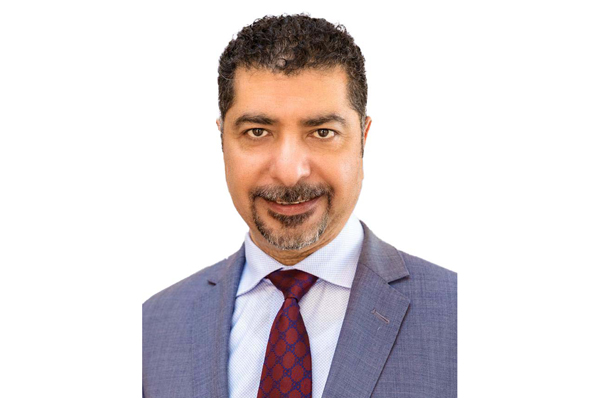
Based on the outcomes of consultative meetings and forums held by the National Institution for Human Rights (NIHR) with civil society organizations over the past two years, which focused on strengthening channels of cooperation and integration among various stakeholders, the Institution has approved the establishment of three new consultative working groups. These groups aim to engage civil society organizations in the fields of business and human rights, women’s and children’s rights, and the right to health.
On this occasion, Eng. Ali Ahmed Alderazi, Chairperson of the National Institution for Human Rights, explained that the establishment of these groups seeks to build an effective bridge for communication and coordination between, on the one hand, the practical needs for promoting and protecting human rights and fundamental freedoms, and on the other hand, the official entities responsible for implementing these rights. This, he noted, will contribute to enriching the national human rights framework and strengthening its integration.
Alderazi further indicated that the consultative meetings and forums held during the past period with various relevant stakeholders focused on developing cooperation mechanisms, addressing challenges facing community-based work, and coordinating national efforts in the field of human rights, while emphasizing full adherence to the principles of neutrality and independence for all partners.
He added that the working groups will undertake several tasks, most notably enhancing cooperation and the exchange of data and expertise among their members, proposing innovative initiatives in the field of human rights, and building capacities. Their mandate will also include examining the human rights situation in the Kingdom of Bahrain, organizing events and training programs to raise human rights awareness and promote community participation, preparing legislative studies and proposing necessary amendments, and conducting national surveys to measure the public’s level of awareness of human rights principles.