NIHR Participates in Roundtable on "Challenges in the Enforcement of Visitation and Custody Judgments: Between Reality and the Law"
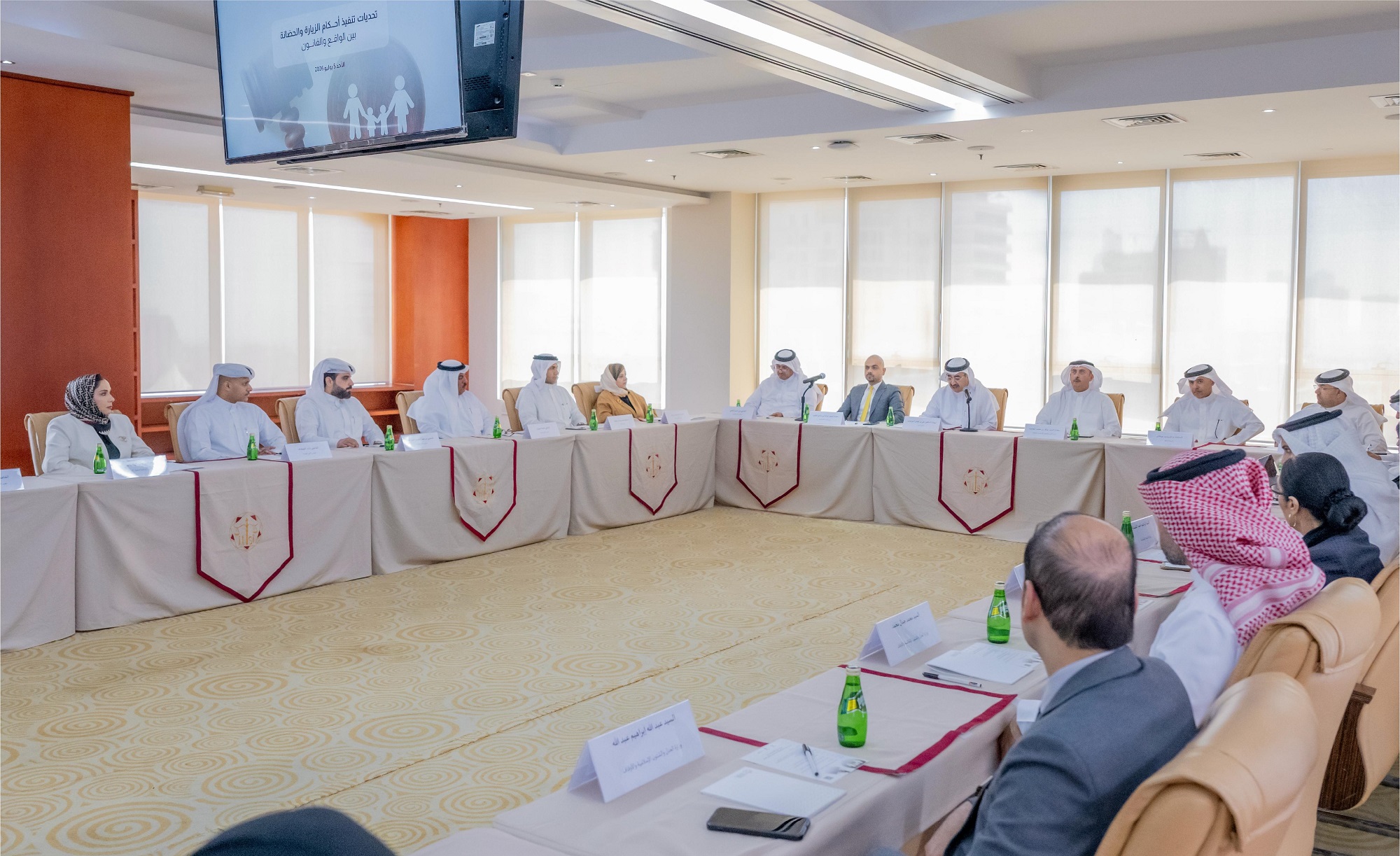
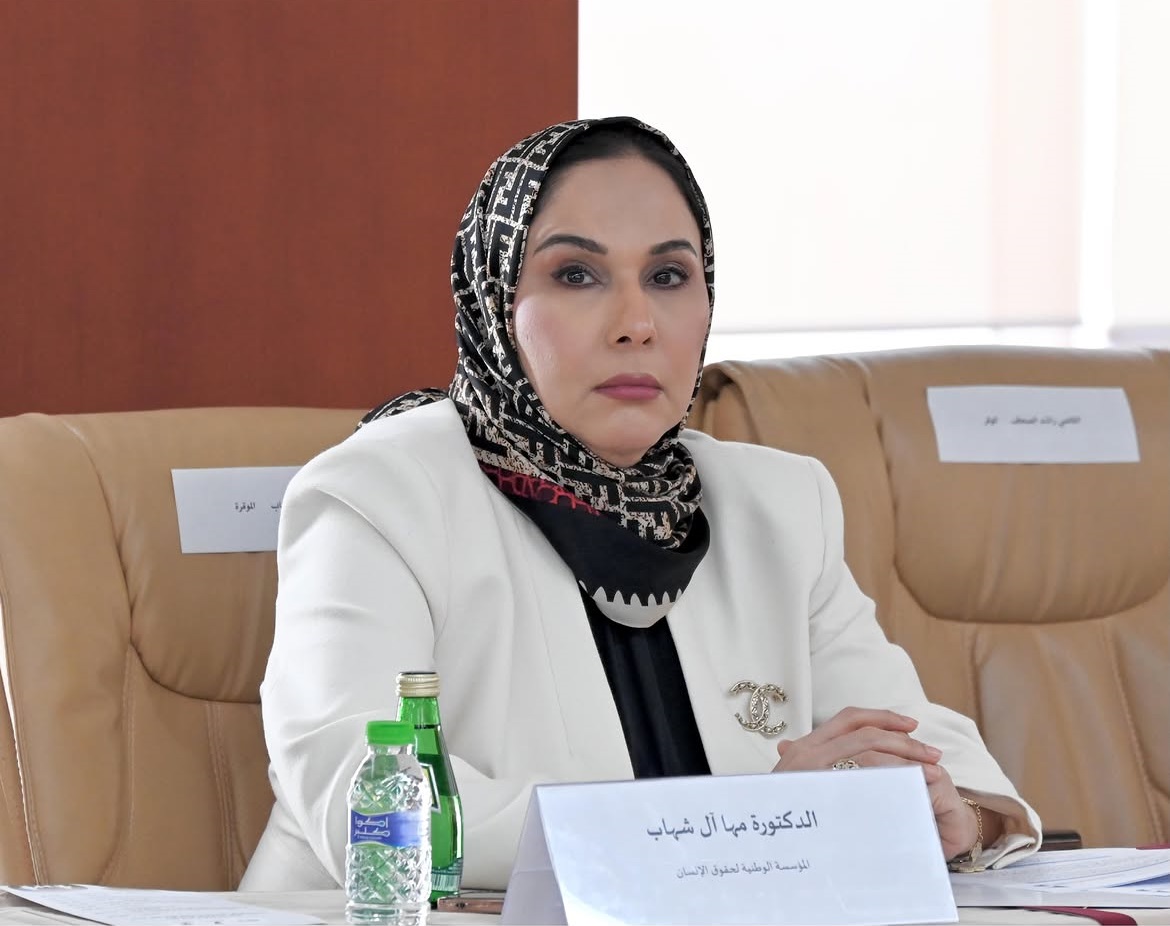
The National Institution for Human Rights (NIHR), represented by Dr. Maha Al Shihab, Commissioner for Child Rights, participated in a roundtable entitled "Challenges in the Enforcement of Visitation and Custody Judgments: Between Reality and the Law," organized by the Public Prosecution in cooperation with the Ministry of Social Development and the Judicial and Legal Studies Institute. The event was attended by His Excellency the Attorney General, a number of Their Excellencies the Ministers, judges, members of the Public Prosecution, officials from the Ministry of Justice, Islamic Affairs and Endowments, the Ministry of Social Development, personnel responsible for supervising the Family and Child Protection Offices at the Ministry of Interior, as well as specialists from the Supreme Council for Women, the Ministry of Education, and representatives of relevant entities.
During the roundtable, Dr. Maha Al Shihab delivered an intervention emphasizing that strengthening the protection of children's rights in visitation and custody disputes requires enhancing the mechanisms for enforcing judicial judgments to ensure their timely implementation while safeguarding the best interests of the child. She highlighted the importance of reinforcing the role of social workers and psychologists, as well as promoting greater coordination among judicial, enforcement, and social service authorities in addressing cases involving non-compliance with court judgments. She also called for the introduction of more effective mechanisms to deal with reports of non-enforcement of visitation and custody judgments, increased community awareness of the importance of respecting judicial decisions, and the promotion of a culture that shields children from family disputes in order to preserve their psychological and social well-being and protect their rights.
The participants discussed several key themes, including the legal framework governing the enforcement of visitation and custody judgments, the principle of the best interests of the child, the social and psychological dimensions associated with the enforcement stage, the principal practical challenges facing the competent authorities, the importance of raising public awareness to foster a culture of compliance with judicial judgments, and the legal, social, and psychological consequences arising from the refusal to enforce or obstruction of such judgments.
The roundtable concluded with the issuance of a set of recommendations structured around five main pillars. These included reviewing the legislative framework governing custody- and visitation-related offences, addressing the phenomenon of parental alienation, adopting a unified procedural guide defining the responsibilities of the relevant authorities, and enhancing the procedures for the handover of children at social centres. The recommendations also called for strengthening the professional capacity of social and psychological specialists and expanding public awareness programmes on children's rights and the importance of protecting children from family disputes. The participating entities agreed to commence the implementation of these recommendations within a specified timeframe.