Regional Workshop on Responsible AI Governance in the Arab States Kicks Off
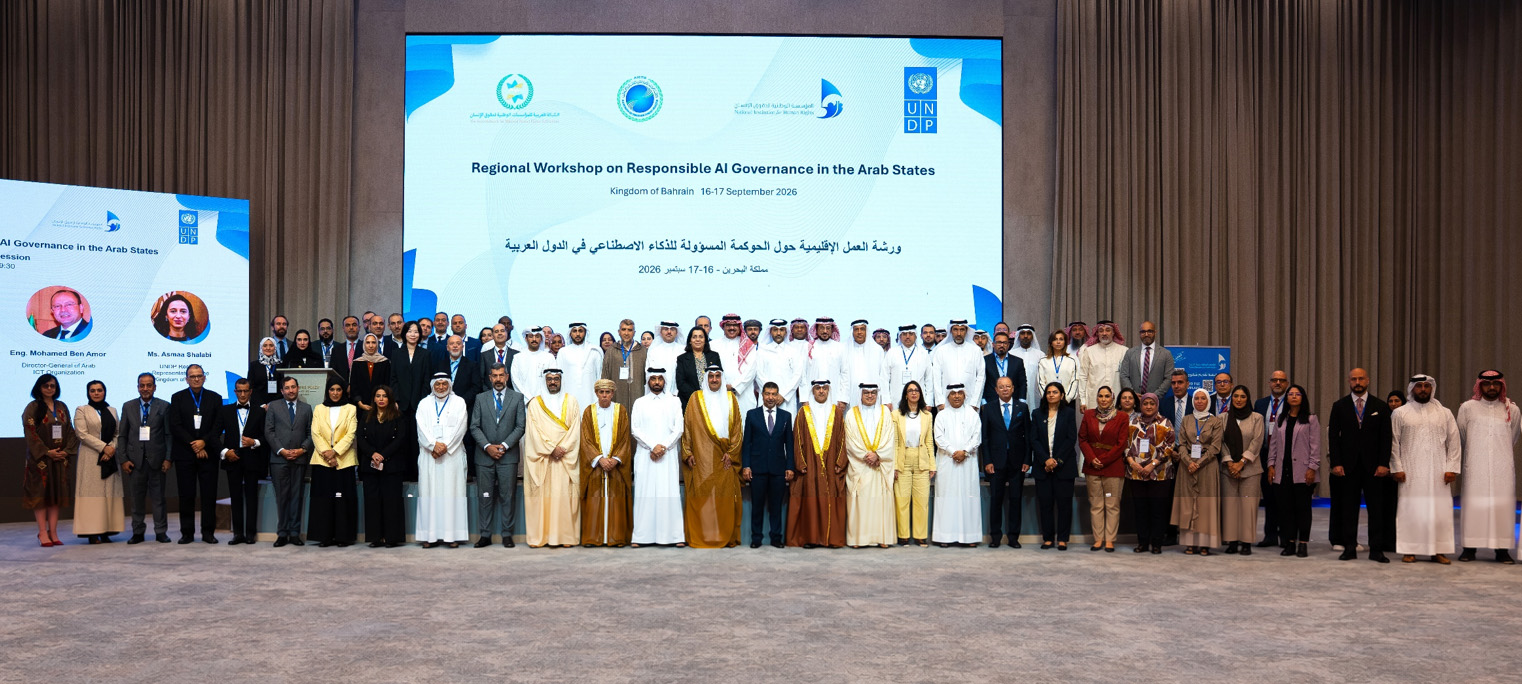
The Regional Workshop on “Responsible AI Governance in the Arab States” commenced in the Kingdom of Bahrain, organized by the National Institution for Human Rights (NIHR), in cooperation with the Arab Network for National Human Rights Institutions (ANNHRI) and the United Nations Development Programme (UNDP), and in partnership with the Arab ICT Organization (AICTO), over two days, 16–17 September 2026.
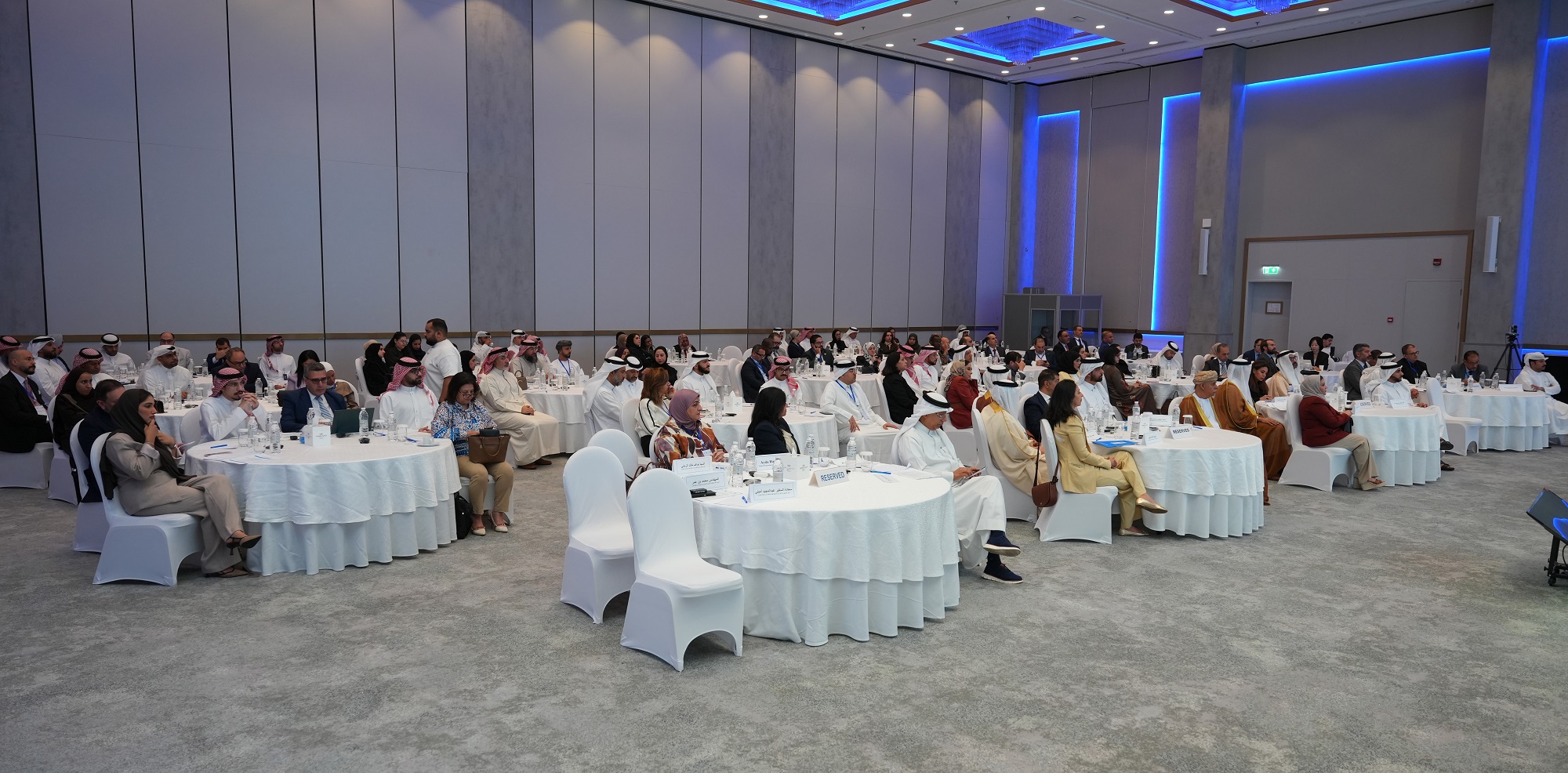
The workshop brings together representatives of governments, national human rights institutions, regional and international organizations, United Nations agencies, the private sector, and civil society organizations in a regional dialogue involving key stakeholders concerned with developments in artificial intelligence and their implications for human rights.
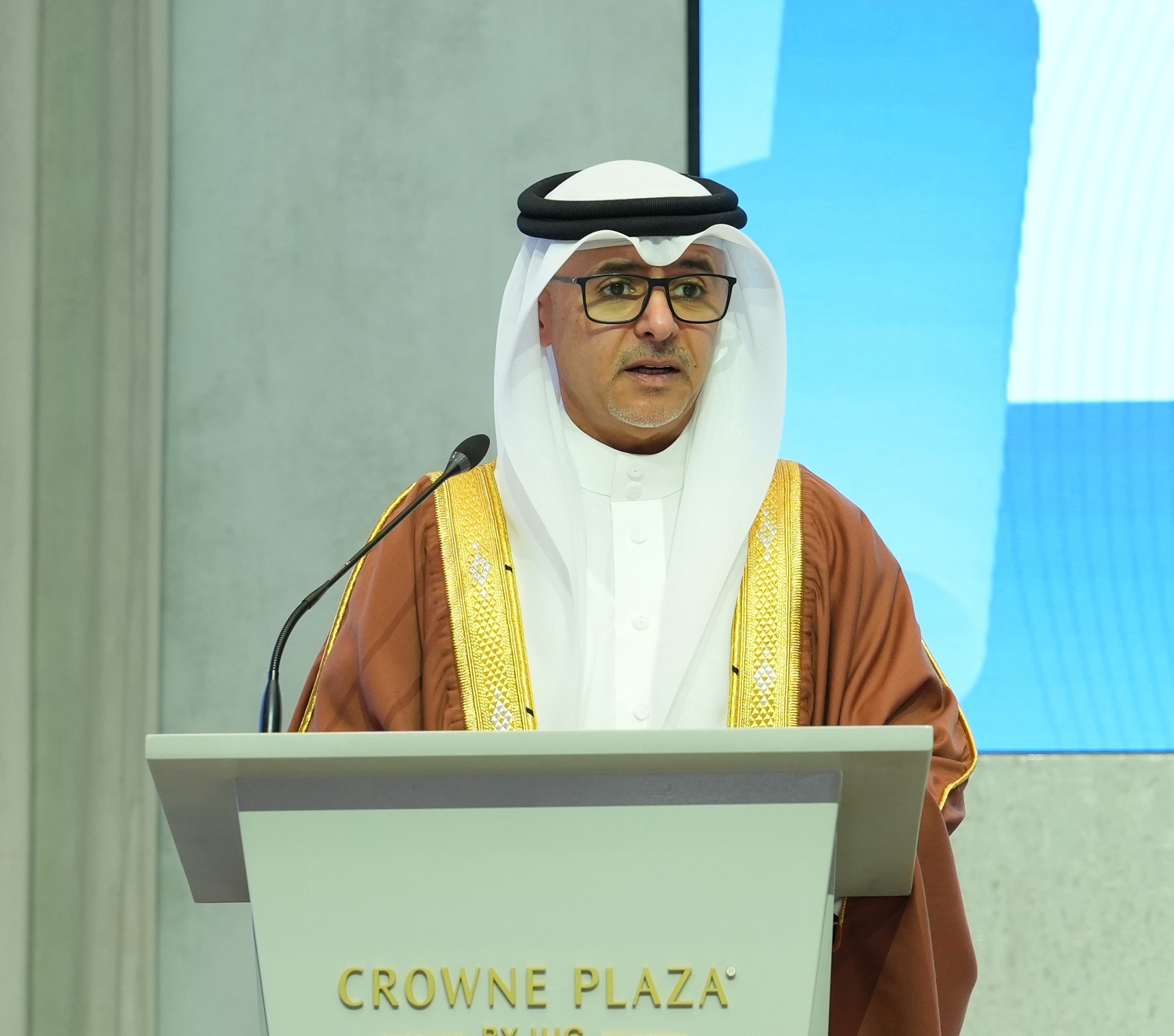
The workshop opened with remarks by First Advocate General Counsellor Wael Rashid Buallay, Assistant Attorney General, on behalf of H.E. the Attorney General. He emphasized the importance of harnessing artificial intelligence technologies to develop the justice system and enhance the efficiency of procedures within regulatory and ethical frameworks that safeguard rights and privacy while striking a balance between benefiting from technological innovation and meeting the requirements of justice.
In this context, he highlighted the Public Prosecution’s efforts to establish frameworks and safeguards for the responsible use of artificial intelligence in prosecutorial work. He stressed the importance of human oversight, transparency, accountability, equality, and non-discrimination to ensure that these technologies are used responsibly and in accordance with constitutional principles, legal safeguards, and human rights.
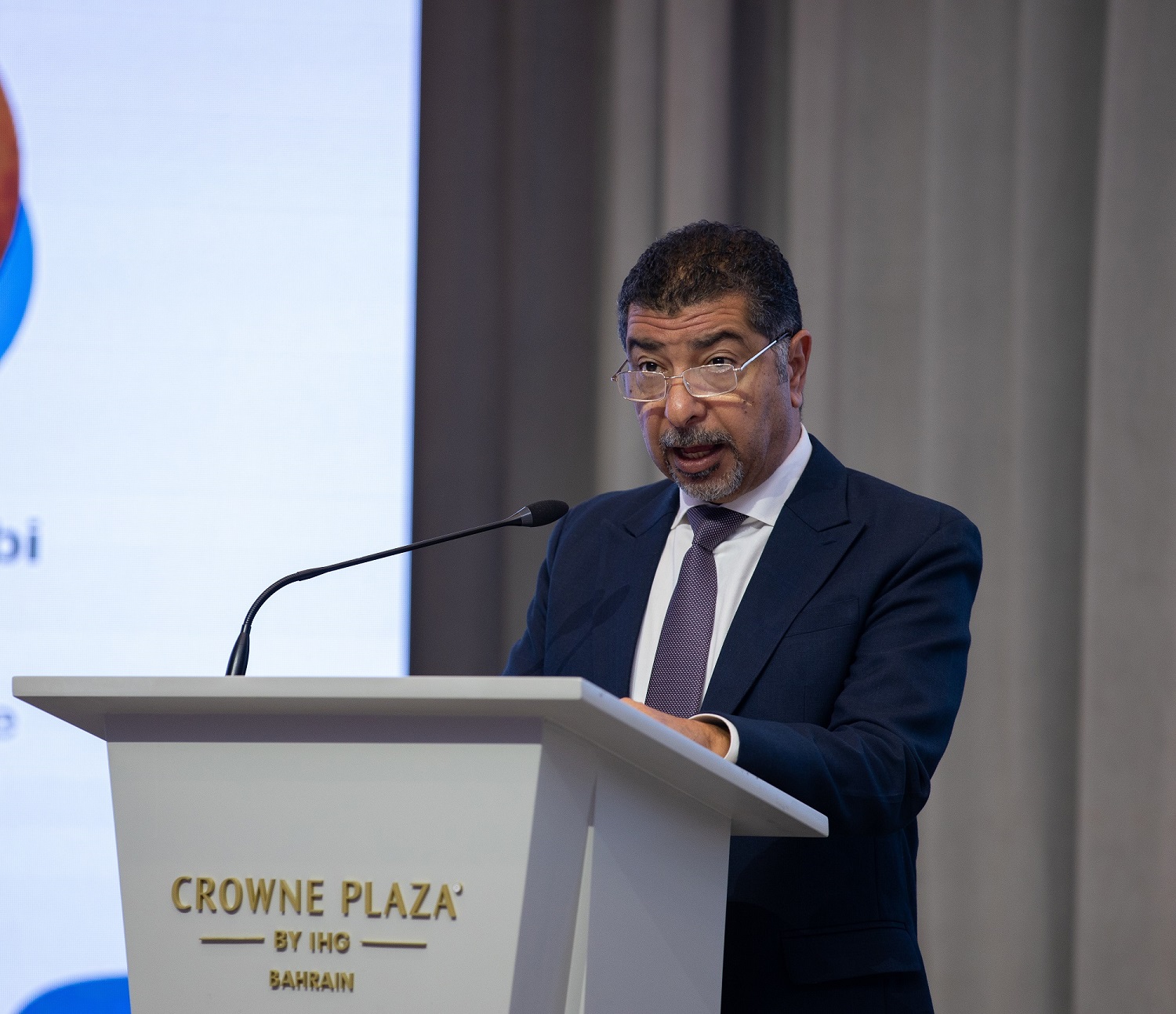
Eng. Ali Ahmed Alderazi, Chairperson of the Arab Network for National Human Rights Institutions and Chairperson of the National Institution for Human Rights, also delivered remarks in which he emphasized the importance of establishing responsible AI governance that places human rights at the heart of the design, development, and use of these technologies. He highlighted the need to move from general principles and frameworks to practical implementation by strengthening transparency, accountability, and non-discrimination.
He further underscored the importance of a proactive role for national human rights institutions in contributing to policymaking, reviewing legislative and regulatory frameworks, and assessing the human rights impact of AI systems. He expressed hope that the workshop would contribute to developing a shared Arab vision, practical frameworks, and monitoring and follow-up mechanisms, ultimately leading to an actionable regional roadmap that places human rights at the heart of technological transformation.
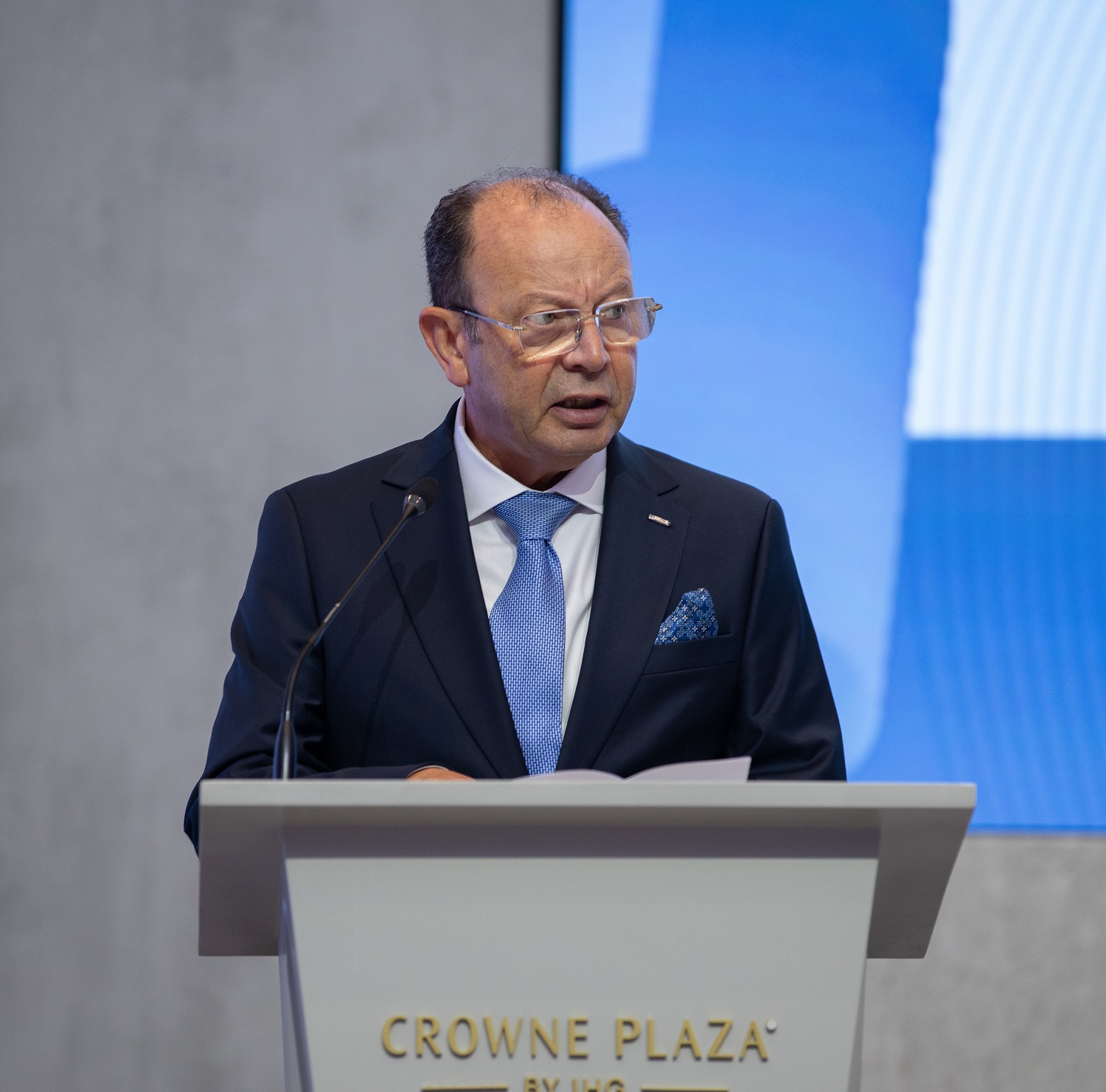
For his part, Eng. Mohamed Ben Amor, Director General of the Arab ICT Organization (AICTO), emphasized the importance of continuing to build an integrated Arab framework for AI governance based on international standards while taking into account the region’s social, cultural, and linguistic specificities. Such an approach, he noted, would promote security, trustworthiness, ethics, inclusion, and digital sovereignty while placing human dignity at the heart of technological development.
He also highlighted a number of regional initiatives and frameworks supporting this approach, expressing hope that the workshop’s outcomes would make a practical contribution to Arab efforts to advance responsible AI governance and enhance the region’s readiness to harness the potential of AI in a safe and inclusive manner.
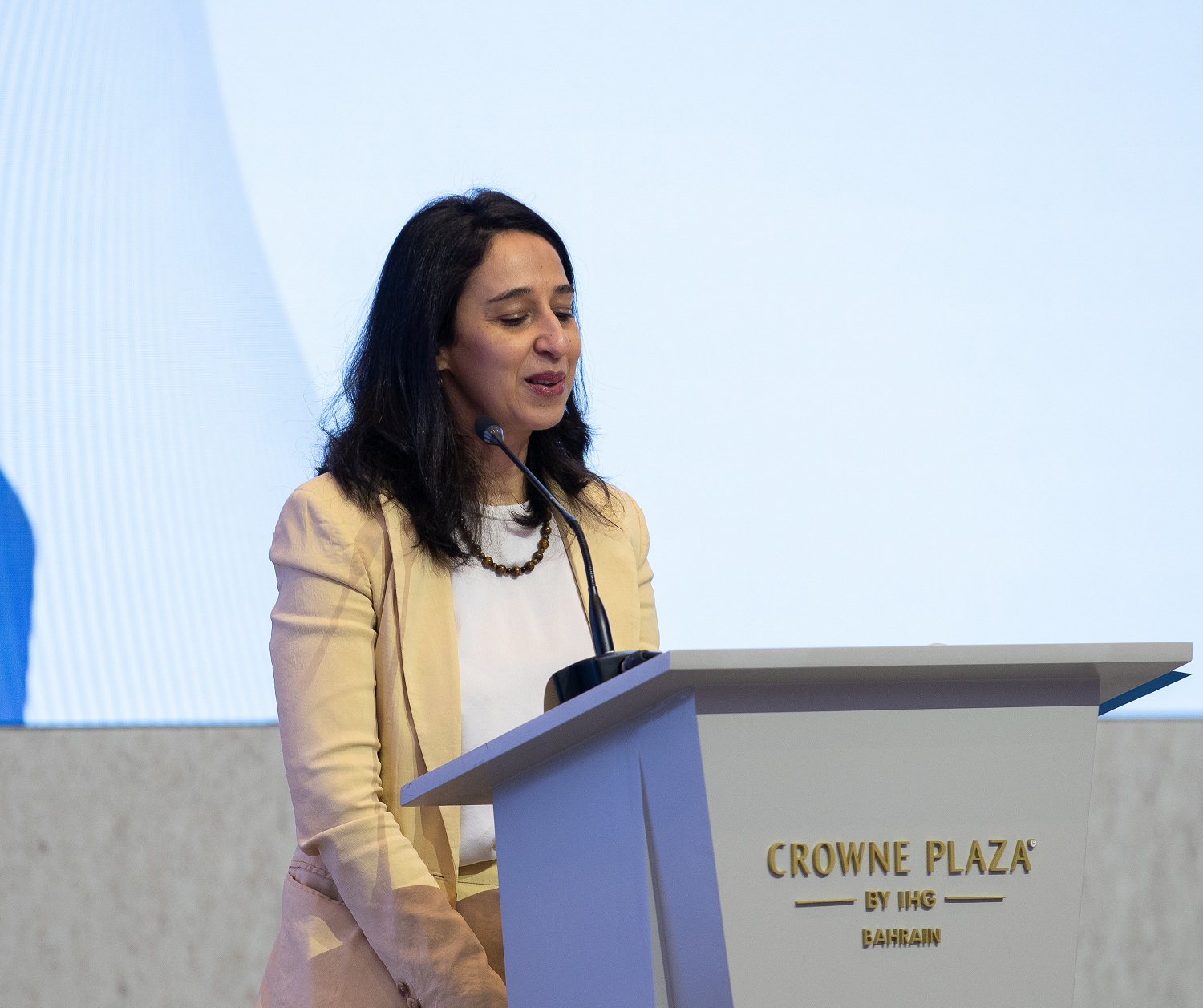
The opening session concluded with remarks by Ms. Asmaa Shalabi, Resident Representative of the United Nations Development Programme (UNDP) in the Kingdom of Bahrain. She highlighted the opportunities offered by artificial intelligence to improve the efficiency of public services and support innovation and inclusive development, while emphasizing the need to ensure its responsible governance in a manner that protects human rights and human dignity and upholds the principles of accountability, transparency, and non-discrimination.
She stressed the importance of moving from principles to practical implementation by developing actionable frameworks and tools for AI governance in the Arab region. She expressed hope that the workshop would contribute to developing a practical roadmap that identifies institutional responsibilities, opportunities for cooperation, and capacity-building needs in support of responsible and human rights-based AI governance.
The workshop aims to support Arab efforts to develop responsible, human rights-based AI governance by strengthening regional coordination and alignment with global standards, as well as facilitating the exchange of expertise and practices, with a view to developing practical frameworks and tools that advance accountability, transparency, non-discrimination, participation, and inclusion.
The workshop programme covers several key themes, including global trends in AI governance and their relationship with human rights, as well as regional initiatives and national experiences from Arab countries and beyond, with the participation of experts, specialists, and representatives of national, regional, and international organizations.
The second day will also feature interactive sessions focusing on the design of a comprehensive Arab regulatory framework for artificial intelligence and the development of a framework for monitoring responsible AI governance. These sessions aim to help identify regulatory principles, institutional responsibilities, and monitoring and implementation mechanisms appropriate to the regional context.