Conclusion of the Regional Workshop on Responsible AI Governance in the Arab States
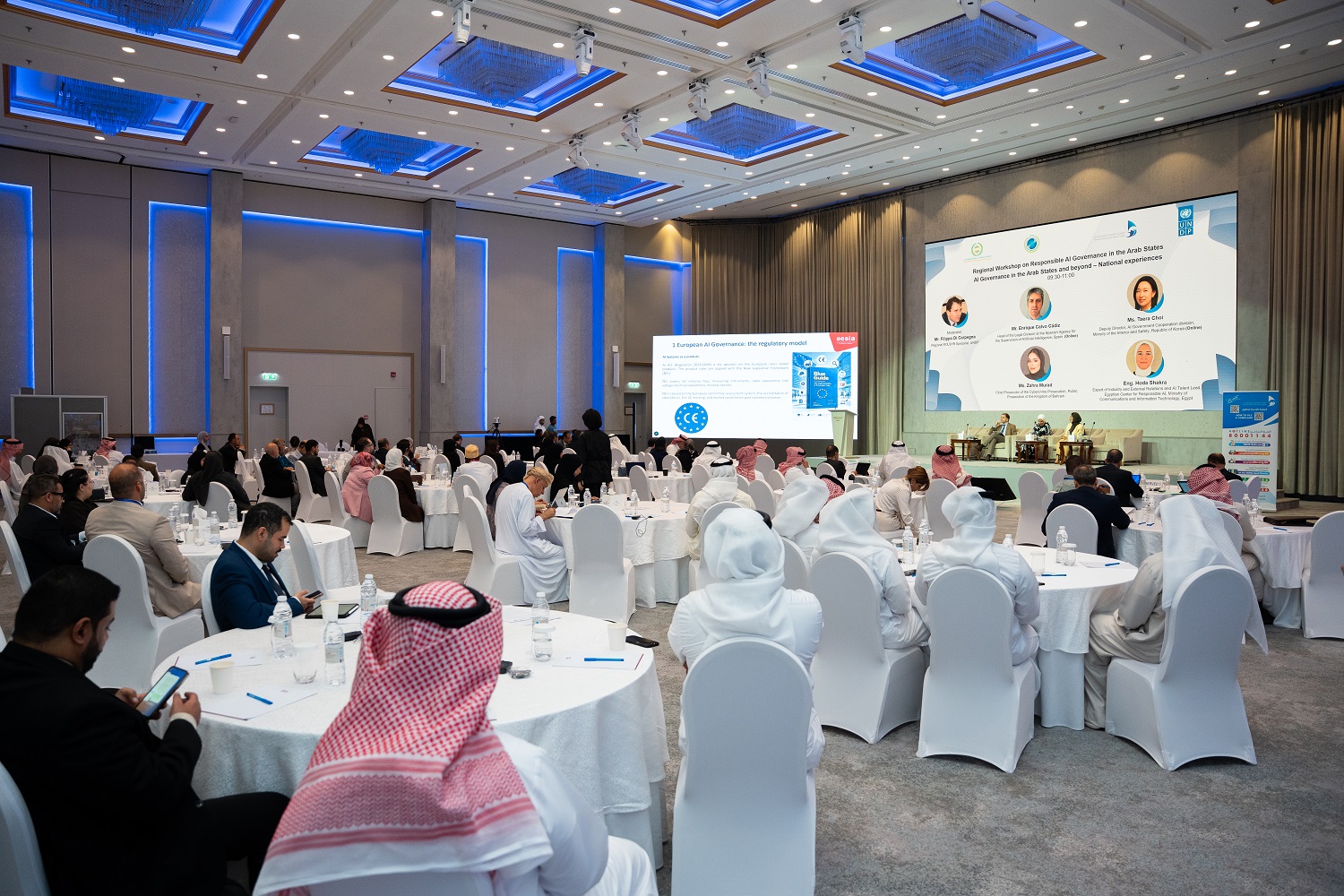
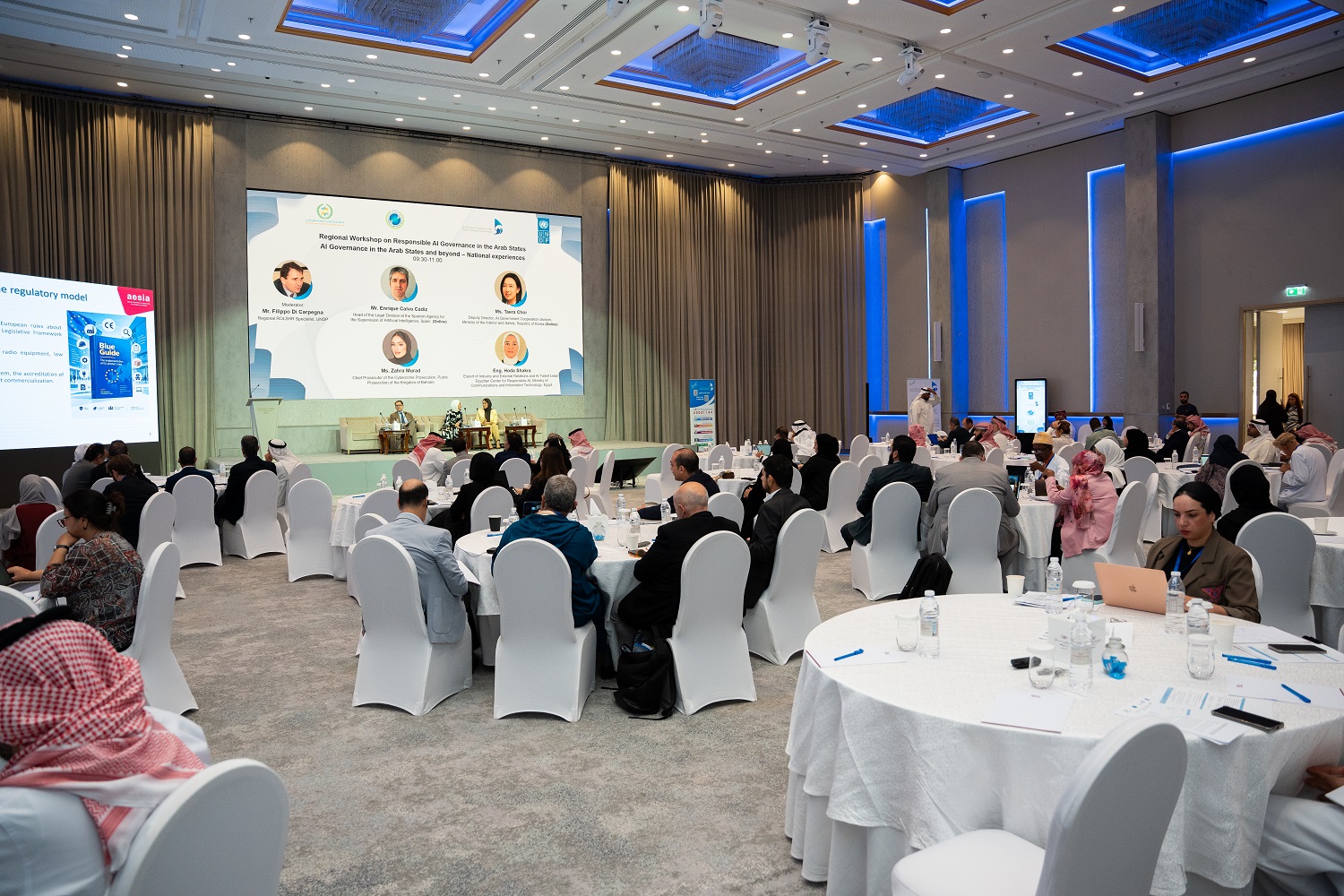
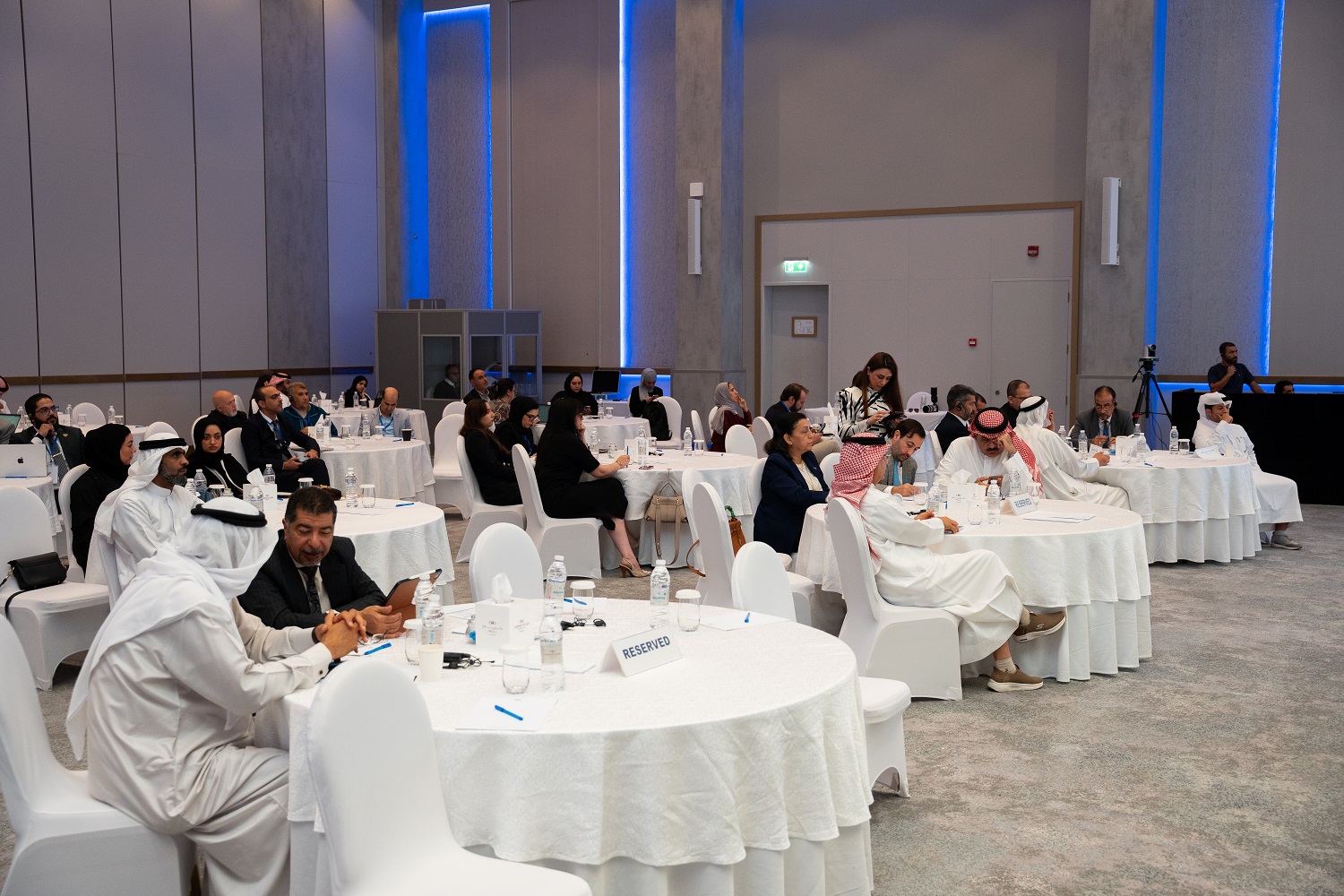
The Regional Workshop on “Responsible AI Governance in the Arab States” concluded after two days of discussions and interactive sessions. The workshop was organised by the National Institution for Human Rights (NIHR), in cooperation with the Arab Network for National Human Rights Institutions (ANNHRI) and the United Nations Development Programme (UNDP), and in partnership with the Arab ICT Organization (AICTO). It brought together a broad range of representatives from governments, national human rights institutions, regional and international organisations, United Nations agencies, the private sector, and civil society organisations.
The second day featured a series of dialogue-based and interactive sessions, beginning with a session entitled “AI Governance in the Arab States and Beyond – National Experiences.” The session highlighted the experiences of several countries in developing AI strategies, regulatory frameworks, and related institutional arrangements, as well as lessons learned and practical approaches to balancing technological innovation with ethical safeguards, the protection of human rights, and effective public-sector governance.
The programme also included an interactive session entitled “Designing a Comprehensive Arab Regulatory Framework for AI,” during which participants discussed the proposed key components of such a framework, including priority policy areas, regulatory principles, institutional responsibilities, risk-management approaches, and implementation tools. The discussion aimed to support countries in developing coherent, rights-based frameworks adapted to regional contexts.
A session entitled “Designing a Framework for Monitoring Responsible AI Governance” explored ways to develop a regional framework for monitoring progress in this field, including potential indicators, reporting mechanisms, governance standards, and institutional arrangements. The session focused on strengthening implementation monitoring and accountability while supporting regional learning and the exchange of expertise among countries and relevant institutions.
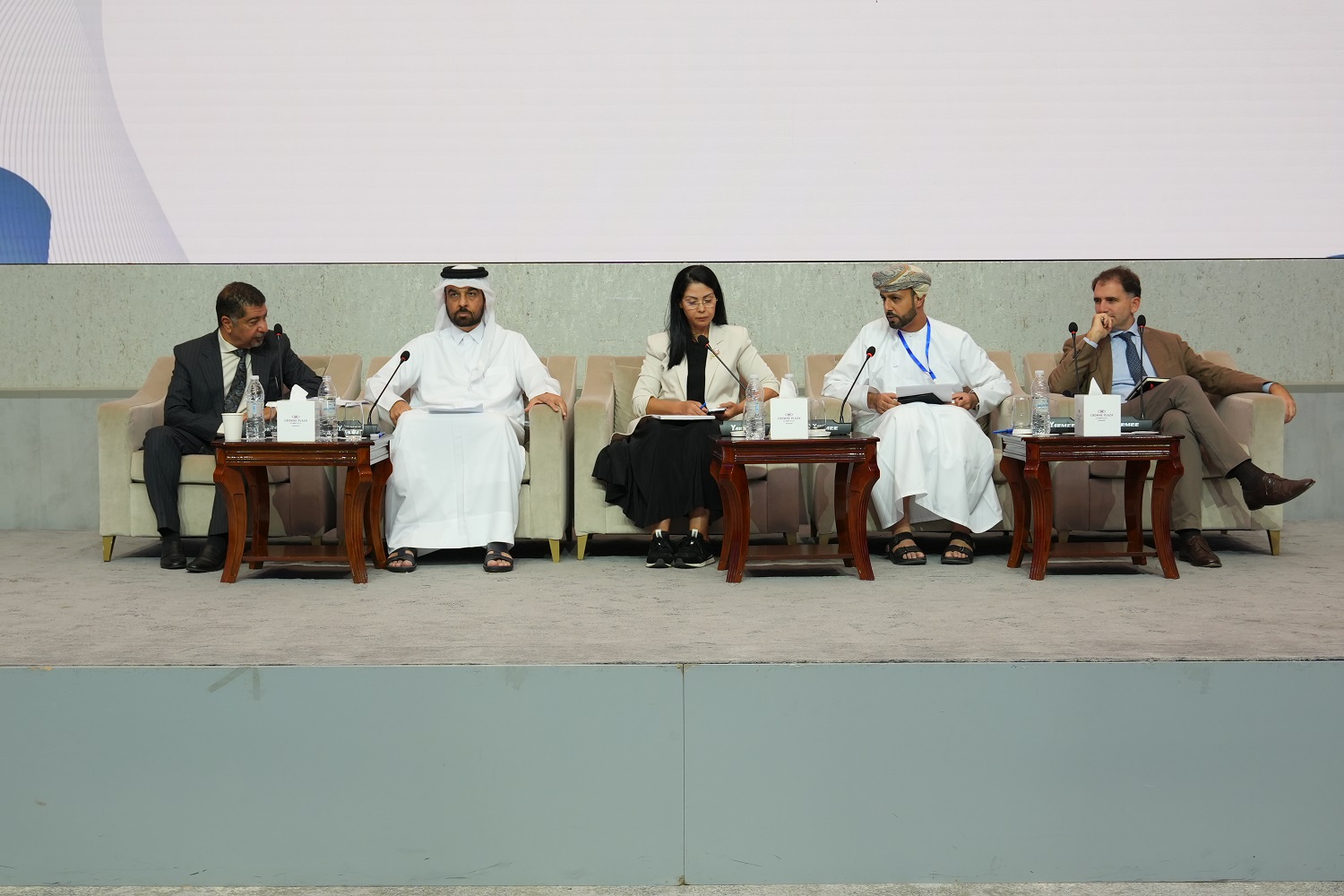
The workshop sessions concluded with “Action Planning: From Principles to Implementation,” moderated by Eng. Ali Ahmed Alderazi, Chairperson of the Arab Network for National Human Rights Institutions. The session reviewed the key outcomes of the discussions and the main issues addressed throughout the workshop, while exploring practical next steps to strengthen responsible AI governance across the Arab States. Participants identified priority actions and the roles of various stakeholders, including governments, regional organisations, United Nations agencies, national human rights institutions, and the private sector, as well as mechanisms for strengthening continued cooperation and capacity-building.
The discussions reflected broad agreement on the importance of continuing joint regional efforts to move from principles and general frameworks towards practical and implementable measures. This would contribute to developing a coherent Arab approach to AI governance that places people and their rights at the heart of technological development and promotes the principles of transparency, accountability, non-discrimination, participation, and inclusion, while taking into account the priorities and diverse contexts of the Arab region.
At the conclusion of the workshop, the discussions resulted in a set of recommendations emphasising the importance of strengthening regional cooperation and the exchange of expertise in responsible AI governance; developing practical, human rights-based frameworks and tools; building capacities; strengthening monitoring, follow-up, transparency, and accountability mechanisms; and expanding partnerships among governments, national human rights institutions, regional and international organisations, civil society, academia, and the private sector. These efforts aim to support responsible innovation and keep pace with the rapid developments in artificial intelligence technologies.