NIHR Launches Report on the Human Rights Impact of Iranian Aggression

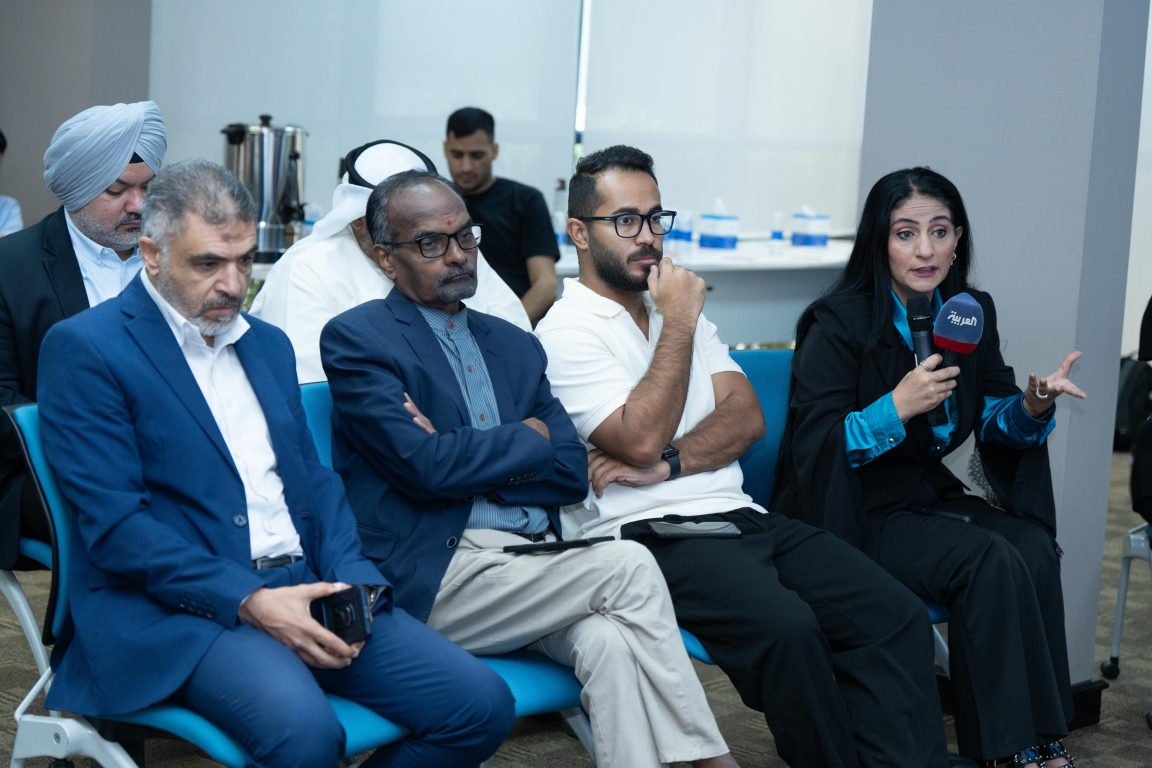
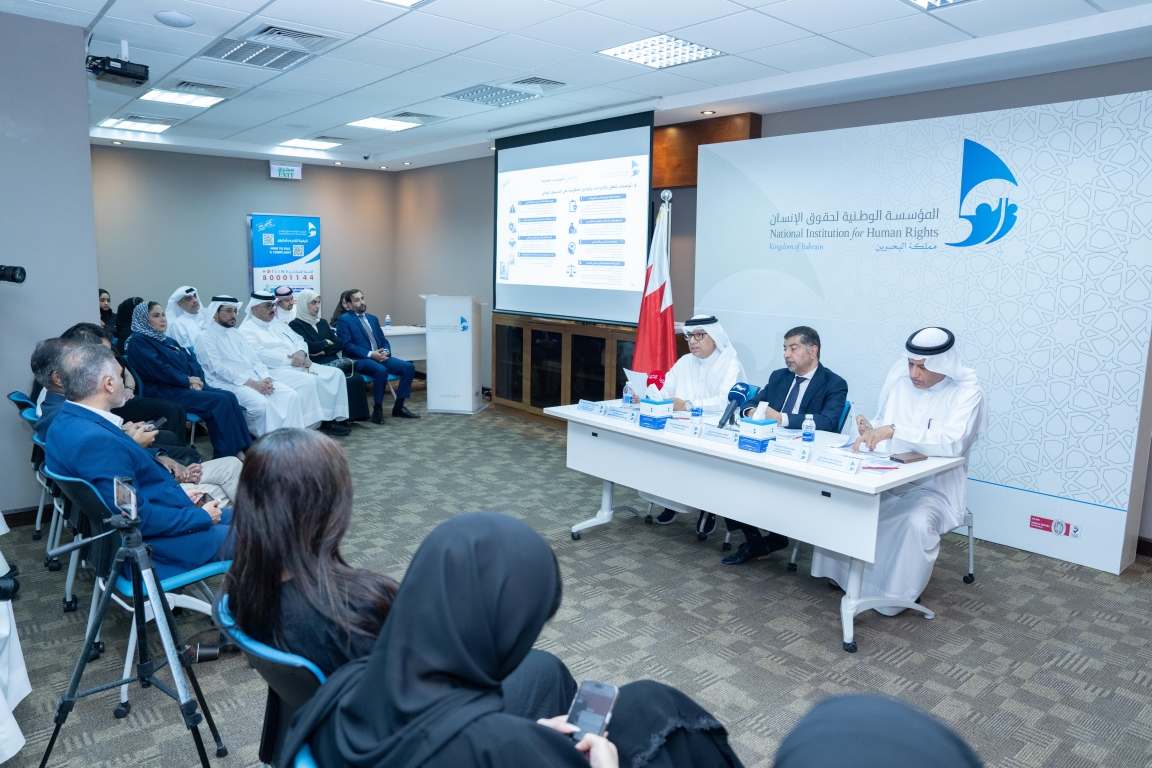
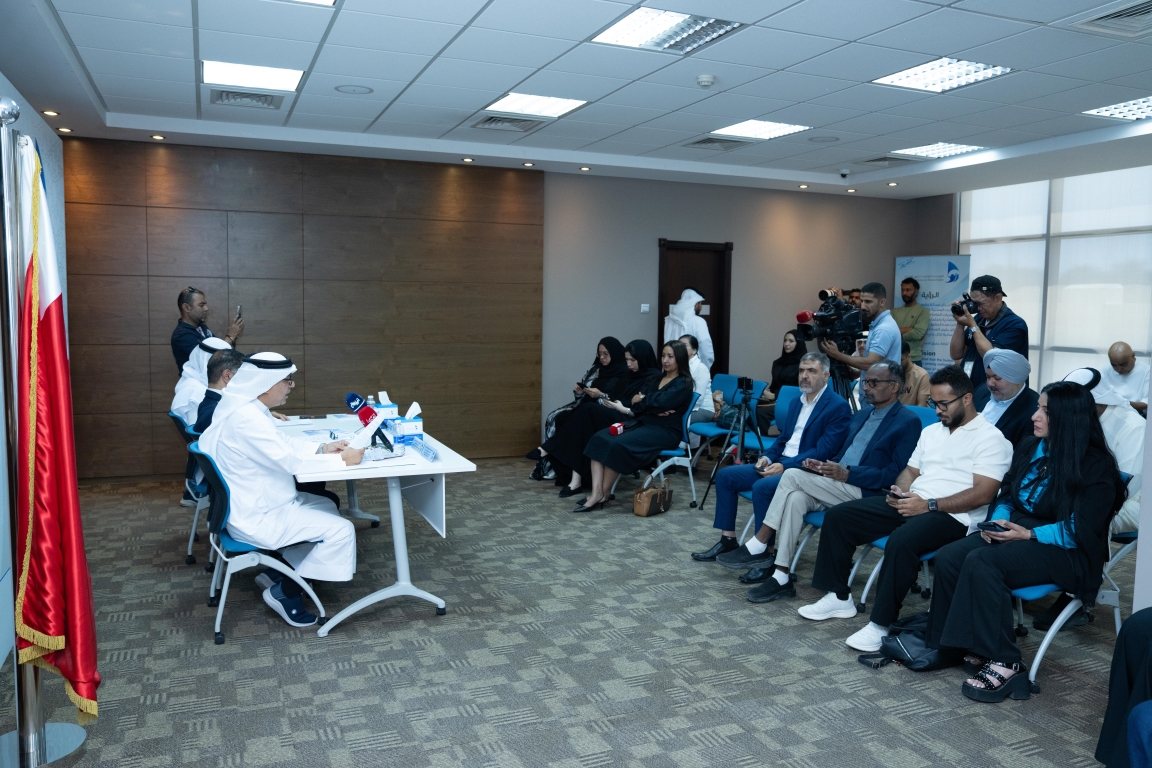
The National Institution for Human Rights (NIHR) today launched its human rights report entitled "Documenting the Violations Resulting from the Malicious Iranian Aggression Against the Kingdom of Bahrain and Its Impact on the Enjoyment of Human Rights and Fundamental Freedoms", during a press conference attended by the Chairperson and Members of the Board of Commissioners, the Secretary-General, and representatives of the press and media.
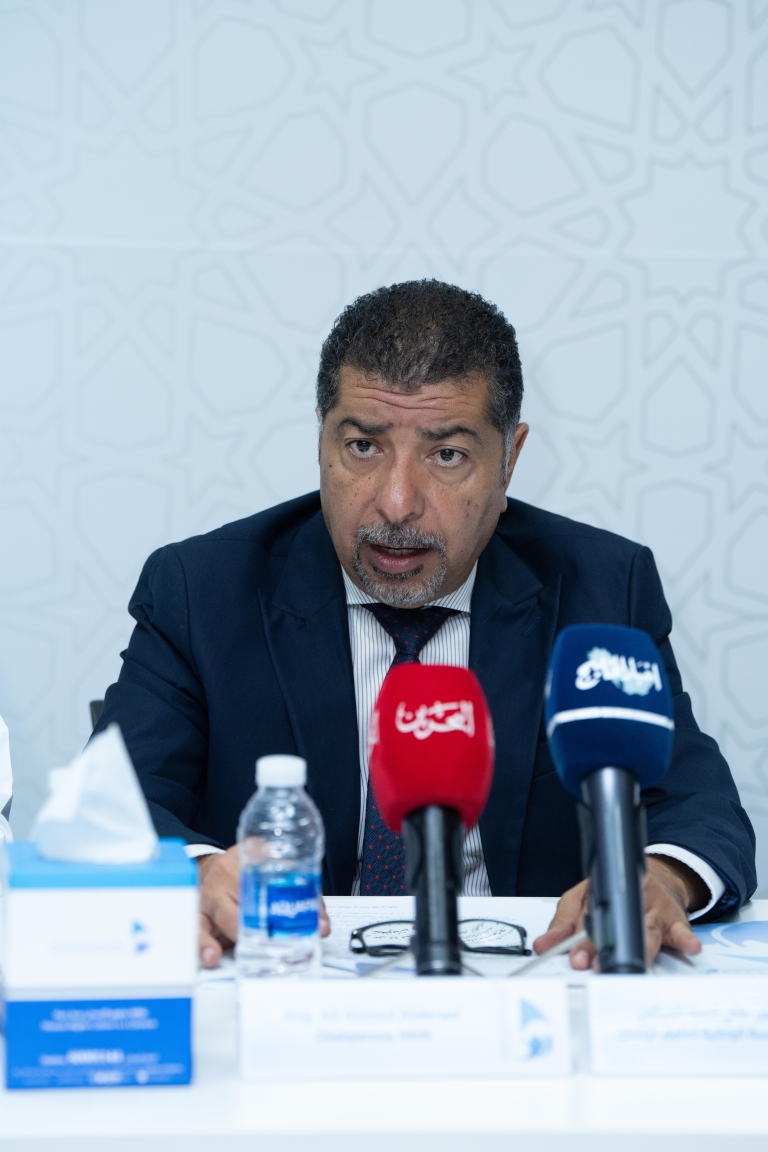
At the outset of the conference, Eng. Ali Ahmed Alderazi, Chairperson of the National Institution for Human Rights (NIHR), affirmed that the preparation of the report falls within the Institution's legal mandate and responsibilities to monitor the human rights situation, document violations, and analyse their impact in accordance with the Constitution, national legislation, the Paris Principles, and relevant international standards. He noted that the malicious Iranian attacks to which the Kingdom of Bahrain has been subjected—and continues to be subjected—constitute an exceptional challenge that necessitated documenting this period from a human rights, legal, and humanitarian perspective. Such documentation contributes to preserving the national memory while highlighting the national efforts undertaken to protect civilians and civilian objects, ensure the continuity of essential services, and safeguard rights and freedoms.
He added that the report is intended not only to document facts and events but also to contribute to strengthening the culture of human rights, supporting efforts to protect civilians, and reinforcing the principles of justice, accountability, and respect for the rules of international law. He explained that the report comprises twelve main chapters covering the legal and methodological framework for monitoring and documentation, the obligations of States, the humanitarian and human rights consequences of the attacks, the field visits and interviews conducted by the Institution, and the report's concluding recommendations.
Alderazi also commended the national efforts undertaken by the National Resilience Epic Documentation Committee, established by Royal Order, which is entrusted with documenting the attacks and challenges faced by the Kingdom of Bahrain, as well as recording manifestations of national resilience and institutional and societal solidarity throughout this period. He noted that the Committee's work—including the preparation of a documented national record, the preservation of facts and evidence, the promotion of a fact-based national narrative, and the utilisation of its outputs in educational, media, and research fields—constitutes a highly significant national contribution to preserving the national memory, strengthening the values of unity, loyalty, and national belonging, and supporting efforts to safeguard Bahrain's history for future generations.
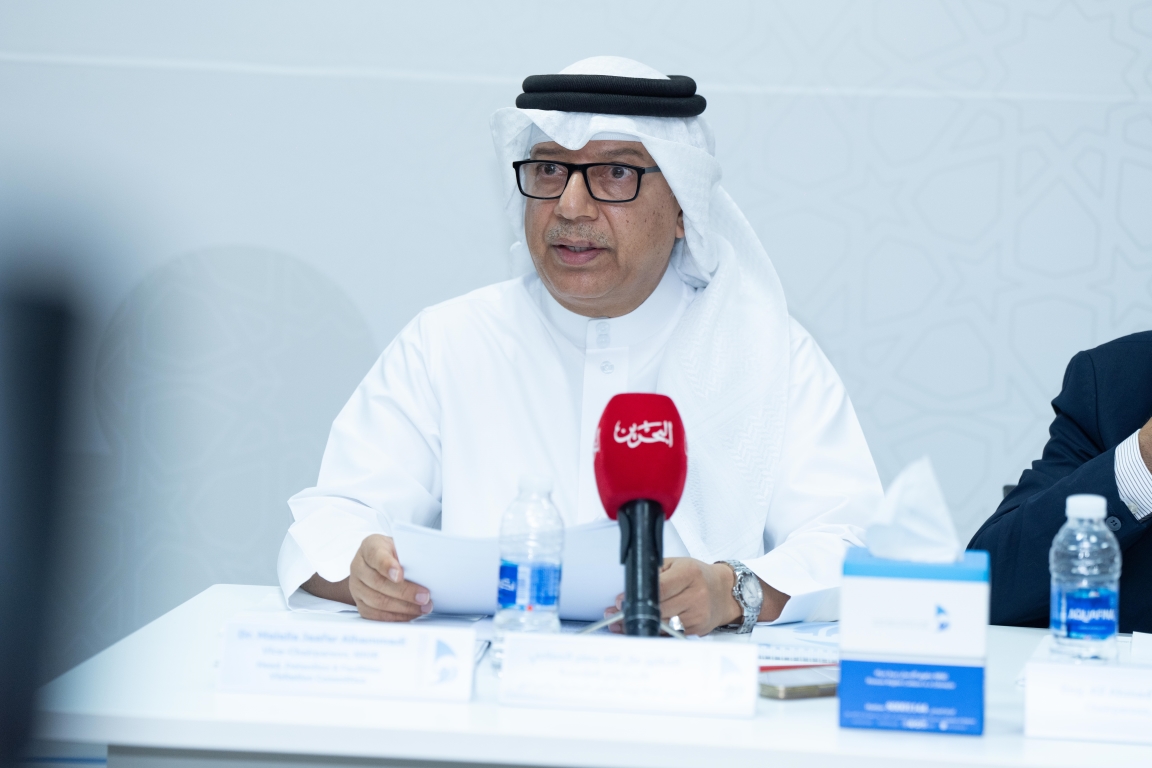
For his part, Dr. Malallah Al Hammadi, Vice-Chairperson of the Institution and Chairperson of the Detention & Facilities Visitation Committee, presented the report's key recommendations, which were structured around three principal levels: national recommendations, international recommendations, and recommendations aimed at strengthening the protection of various human rights. Among the أبرز recommendations were enhancing psychological and social support programmes for the groups most affected, strengthening the protection of critical infrastructure and cyberspace, activating international legal, human rights, and diplomatic avenues, and cooperating with United Nations mechanisms and relevant international organisations to document violations, promote accountability, and ensure effective remedies and reparation.
Meanwhile, Mohammed Juma Fuzai, Legal Advisor, Chairperson of the General Rights and Freedoms Committee, and Member of the Board of Commissioners, outlined the report's principal findings. He explained that the report documents the direct and indirect impact of the malicious attacks across various regions of the Kingdom and the consequences they have had on civilians, particularly women, children, older persons, persons with disabilities, and workers in vital sectors. He further noted that the report was prepared in accordance with a professional methodology founded on accuracy, objectivity, independence, and transparency, drawing upon official sources, international documents, field visits, and direct interviews, thereby enhancing the credibility of its findings and conclusions. The report also illustrates the impact of these attacks on individuals' enjoyment of their rights and fundamental freedoms.
At the conclusion of the conference, the National Institution for Human Rights reaffirmed that the report constitutes a national human rights document that records the humanitarian and human rights consequences of the attacks through a sound legal and professional methodology. It is intended to support national and international efforts aimed at protecting human rights and strengthening respect for the rules of international law. The Institution also noted that both the full report and its executive summary are available in Arabic and English on the Institution's official website.