NIHR Assumes the Presidency of the Arab Network of National Human Rights Institutions

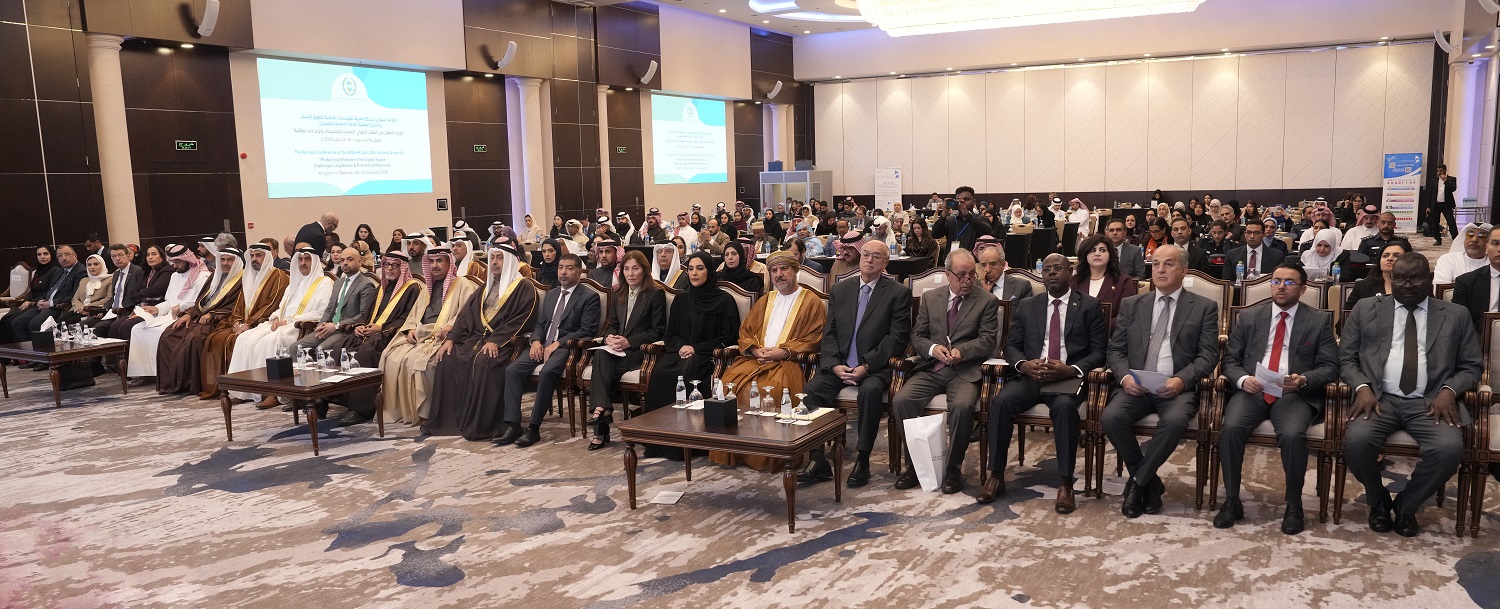
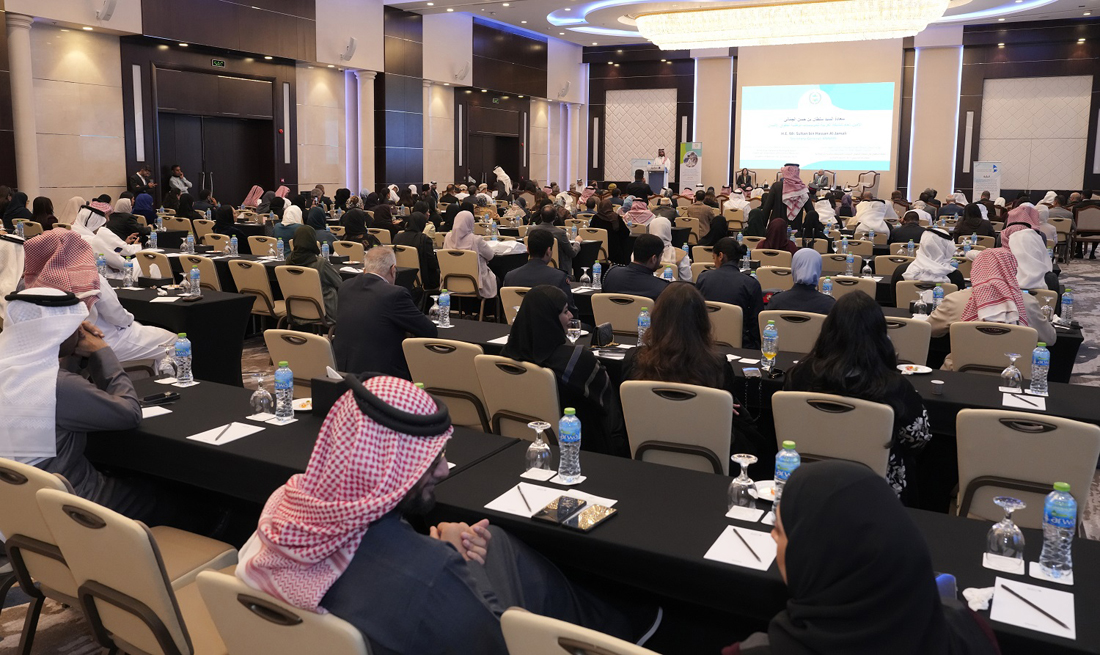
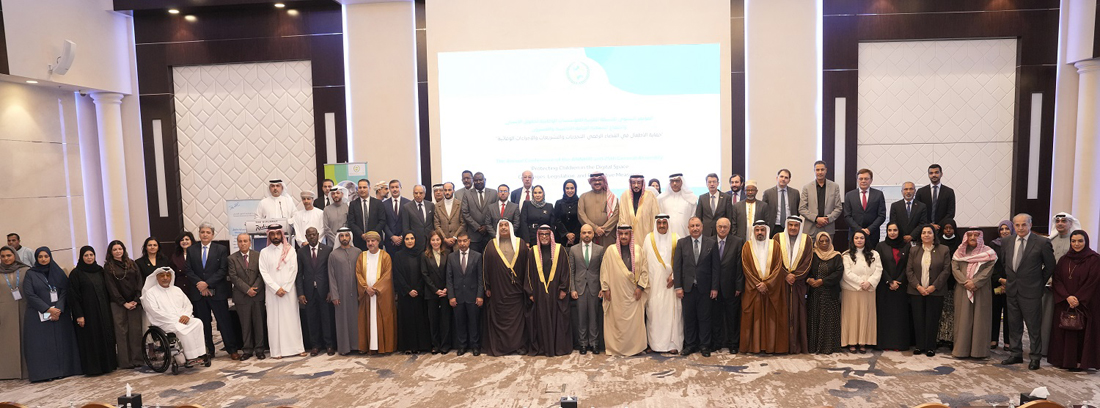
The National Institution for Human Rights (NIHR) in the Kingdom of Bahrain, in cooperation with the Arab Network of National Human Rights Institutions, organized the Network’s annual conference entitled “Protecting Children in the Digital Space: Challenges, Legislation, and Preventive Measures.” The conference was held in conjunction with the convening of the Network’s Twenty-Fifth General Assembly, with the attendance of a number of Their Excellencies ministers and senior government officials, and with broad participation from representatives of national human rights institutions, government entities, international organizations, and civil society organizations.
The opening session of the conference witnessed the National Institution for Human Rights in the Kingdom of Bahrain assuming the presidency of the General Assembly of the Arab Network of National Human Rights Institutions, succeeding the National Center for Human Rights in the Hashemite Kingdom of Jordan.
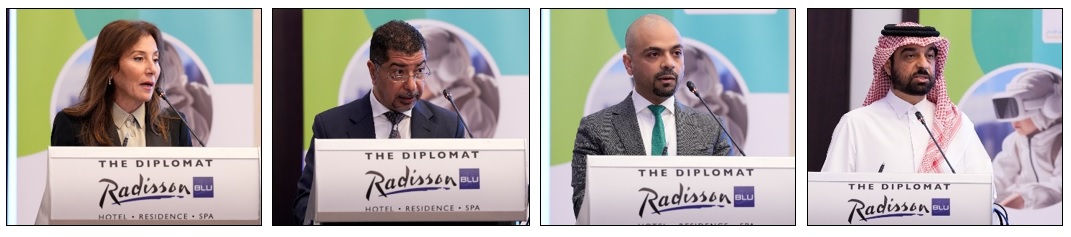
Her Excellency Ms. Samar Al-Haj Hassan, President of the National Center for Human Rights in the Hashemite Kingdom of Jordan and former President of the Network, delivered a speech during which she announced the handover of the Network’s presidency to the National Institution for Human Rights in the Kingdom of Bahrain. She expressed her sincere thanks and appreciation to the Institution for the excellent organization and generous hospitality, and emphasized the importance of the role played by the Network in strengthening joint Arab human rights action, particularly with regard to emerging issues related to the protection of children’s rights. She also praised the constructive cooperation among member national institutions and commended the efforts exerted during her term as President of the General Assembly in supporting the Network’s programs and enhancing its regional and international presence.
Following the assumption of the presidency of the General Assembly of the Arab Network of National Human Rights Institutions, His Excellency Engineer Ali Ahmed Alderazi, Chairperson of the National Institution for Human Rights and President of the Network, expressed in his speech at the opening session his sincere thanks and appreciation to the Arab Network for organizing the conference and for selecting the Kingdom of Bahrain as its host, while also commending the efforts of the former President of the Network.
Alderazi stressed the importance of strengthening joint Arab action to protect and promote human rights, particularly the rights of the child, in light of the growing challenges posed by the digital space. He noted that protecting children in the digital environment requires the development of relevant legislation, the enhancement of preventive measures, and the establishment of effective protection mechanisms that keep pace with rapid digital transformations. He also reviewed the efforts of the Kingdom of Bahrain and the National Institution for Human Rights in this field, expressing his hope that the outcomes and recommendations of the conference would contribute to strengthening digital governance and supporting the role of Arab national institutions in protecting children’s rights.
His Excellency Mr. Osama bin Saleh Al-Alawi, Minister of Social Development and Chairperson of the National Committee for Childhood in the Kingdom of Bahrain, also delivered a speech during the opening session. He affirmed that the conference “Protecting Children in the Digital Space: Challenges, Legislation, and Preventive Measures” constitutes an important platform for enhancing Arab cooperation and exchanging expertise in the field of child rights protection, in light of the growing opportunities offered by the digital space alongside the increasing challenges and risks it entails.
He pointed out that the Kingdom of Bahrain, under the leadership of His Majesty King Hamad bin Isa Al Khalifa, King of the Kingdom of Bahrain, and with the follow-up of His Royal Highness Prince Salman bin Hamad Al Khalifa, Crown Prince and Prime Minister, accords the highest priority to child protection through the development of legislation and policies and the launch of national initiatives, foremost among them the National Childhood Strategy (2023–2027). He also underscored the importance of partnership among government entities, national institutions, and civil society organizations to ensure a safe digital environment for children.
The opening session concluded with a speech delivered by His Excellency Mr. Sultan bin Hassan Al-Jammali, Secretary-General of the Arab Network of National Human Rights Institutions, in which he expressed his thanks to the Kingdom of Bahrain and the National Institution for Human Rights for hosting and organizing the General Assembly proceedings, and congratulated Bahrain on assuming the presidency of the Network. He affirmed that the conference comes in response to the growing challenges posed by the digital space to children’s rights, stressing the importance of strengthening the role of national institutions, developing legislation, and activating regional and international partnerships to ensure a safe digital environment that protects the dignity and rights of the child and supports digital governance, while reaffirming the Network’s firm commitment to the protection of human rights and just causes, foremost among them the Palestinian cause.
The conference included a number of specialized panel discussions. One session addressed the role of governments, families, and civil society organizations in protecting children from harmful content, reviewing efforts to combat the phenomenon of online child exploitation and the relevant international standards for child protection in practical contexts, in addition to highlighting the role of civil society organizations in enhancing digital protection, with the participation of specialized national and international entities.
Another session examined strategies for prevention and awareness of digital risks threatening children, through working papers focusing on the development of effective preventive programs to address cyberbullying and exploitation, the enhancement of children’s digital citizenship skills to promote responsible and safe behavior in the digital space, as well as the utilization of modern technological solutions as key tools for prevention and protection from digital risks.
The conference concluded with the convening of the closing session, during which the final communiqué was read out, comprising a set of recommendations aimed at strengthening the protection of children’s rights in the digital environment. The communiqué called for the development of national legislative frameworks to criminalize digital violations committed against children, the enhancement of the protection of their data and privacy, and the adoption of participatory national preventive policies and strategies. It also emphasized the integration of digital safety concepts into educational curricula, the building of institutional capacities, the strengthening of the role of the family, schools, and civil society organizations, the provision of specialized training programs for law enforcement agencies and relevant stakeholders, and the establishment of child-friendly national mechanisms for reporting digital crimes, in addition to expanding regional and international cooperation and strengthening partnerships with technology companies. These measures aim to contribute to the creation of a safe digital environment that safeguards children’s dignity and rights and supports their healthy upbringing in a responsible digital world.